What Actually Happens on a Port Day
Sea days are easy to picture. You’re on the ship, the ship is doing ship things, you’re by the pool. Port days are the ones first-timers ask the most questions about, because the ship docks in a country you’ve never been to and then… what?
Here’s how a port day really goes.
You wake up already there
This is the part that never stops being lovely. You went to sleep off the coast of one place and you wake up alongside a completely different city. No airport, no queue, no repacking. You have breakfast, you walk down the gangway, and you’re in Barcelona or Santorini or Dubai.
The ship will tell you the arrival time and, more importantly, the all aboard time, which is set before it sails. That second time is the one that matters. Plan to be back at the ship at least an hour before it, not on the dot. Write it on your hand if you have to.

You have three ways to spend the day
Book an excursion through the cruise line. Costs more, but the ship knows where you are. If your tour runs late, the ship waits. For a first cruise, especially somewhere you don’t speak the language, this peace of mind is worth paying for.


Book independently. Local operators are often cheaper and smaller, and you’ll sometimes get a far better experience. The trade off is that the ship does not wait for you. If you go this route, build in a wide buffer and book with a company that specifically advertises cruise pickups.
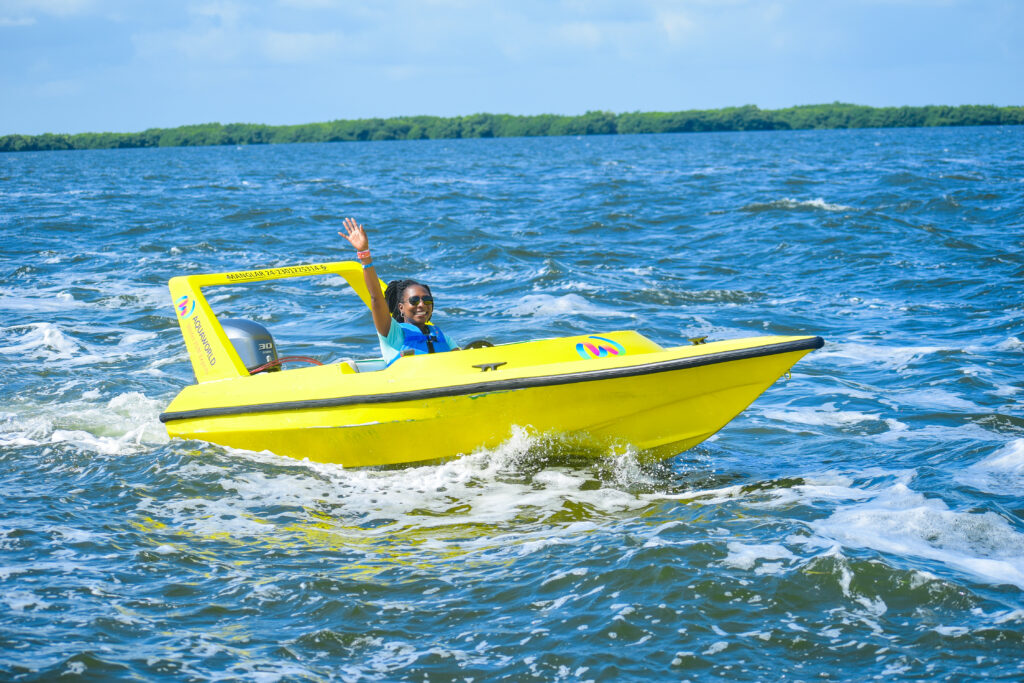

Do nothing organized at all. Walk off, find the old town, eat something, sit somewhere, come back. In ports where the terminal is close to the city center, this is genuinely one of the best options, and it costs nothing.



You can also simply stay on board. The ship is at its quietest on a port day and the pool is practically empty. Nobody will think you’ve wasted the trip.
The document’s part, which needs planning
Here’s the bit most cruise guides skip. A cruise itinerary usually touches several countries, and each one has its own entry rules. Some ports let you step off with just your cruise card and passport. Others require an entry visa that has to be sorted long before you travel, and without it you simply stay on the ship that day.
So if any country on your route requires a visa for your passport, that’s the thing to sort first, not last. Work out every port the ship calls at, check what each one needs, and start the applications early. None of it is difficult. It just doesn’t happen at the last minute, and it’s the most common reason first-timers end up watching a port from the deck instead of walking around it.
Small things that make port days better
Take the ship’s card and your passport or a copy, depending on what that port requires. Carry a little local cash even in card friendly places, because small stalls and public toilets don’t always take cards. Wear shoes you can walk five hours in. And set an alarm for an hour before all aboard, because you will lose track of time.
Then you get back on, shower, eat, and the ship moves overnight to the next country while you sleep. That’s the whole appeal, really.
Planning a route and not sure which ports need what? Talk to us before you book. Sorting out visas and shore plans in the right order is half of what we do.
Until the next port,
The Xplora Bliss Team