Cruise Terminology 101: What All Those Words Actually Mean
Somewhere in your cruise research, you’ve probably hit a word you didn’t recognise and quietly hoped it wasn’t important. Cruise lines have their own vocabulary, and nobody hands you a dictionary before you book. Here’s the plain-English version.
Getting on board
Embarkation day — the day you board the ship. Usually involves check-in, security, and waiting around more than you’d expect.
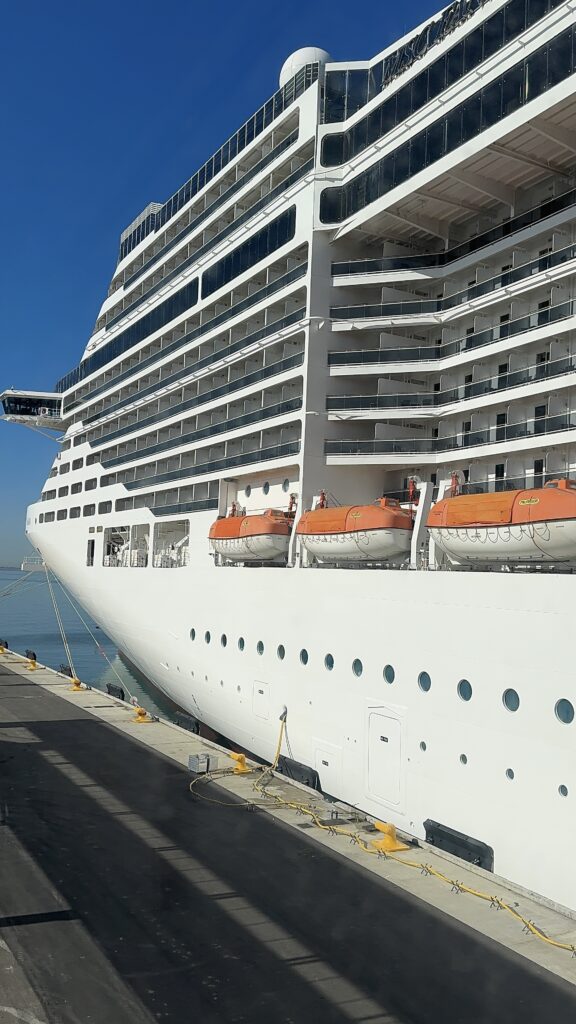
Muster drill — the mandatory safety briefing, usually on embarkation day, where you learn where your life jacket is and which lifeboat is yours. It’s required, not optional, and every cruise line runs one.
Gangway — the walkway you use to get on and off the ship, whether at the home port or at a destination.
Getting around the ship
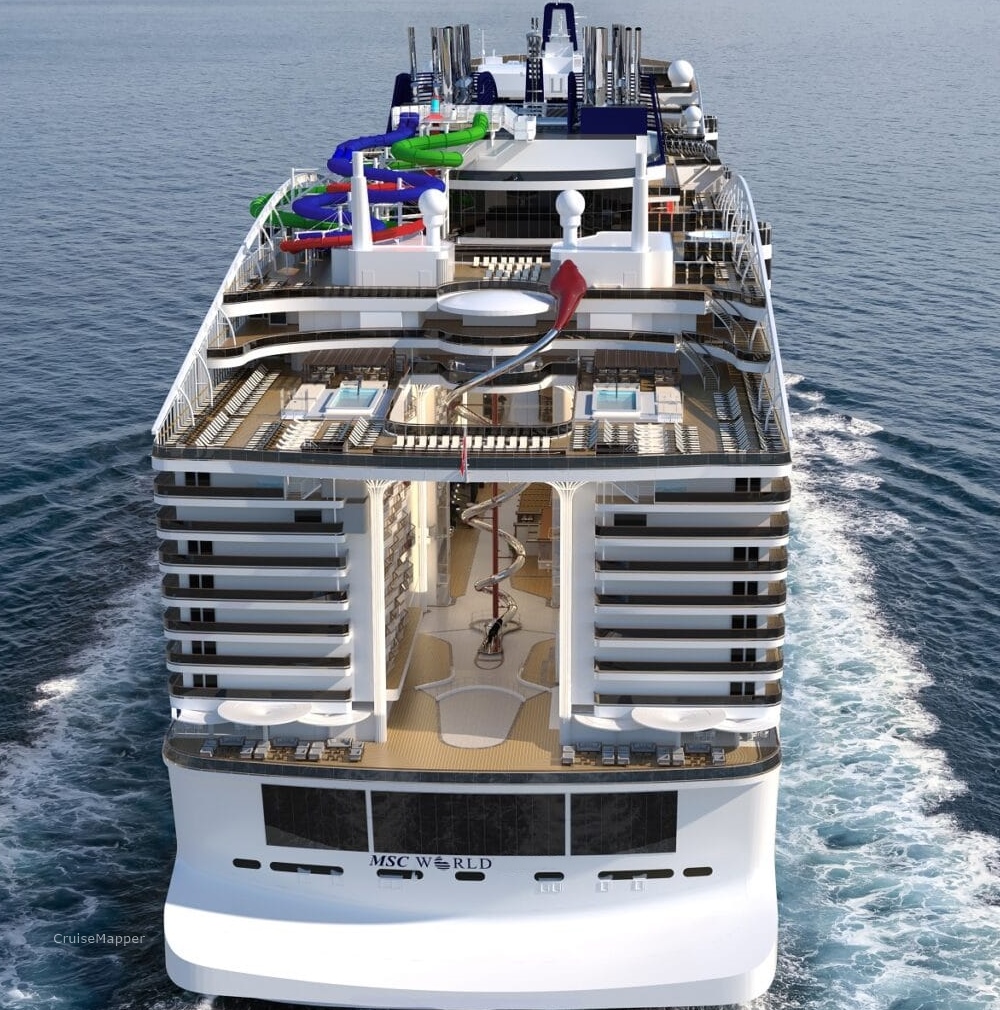
Forward / aft — forward means toward the front of the ship, aft means toward the back. Useful for finding your cabin or a restaurant without wandering in circles.
Midship — the middle of the ship, generally the most stable area if you’re worried about motion.
Deck — a floor of the ship. Ships number their decks, and knowing yours saves a lot of confused elevator rides.
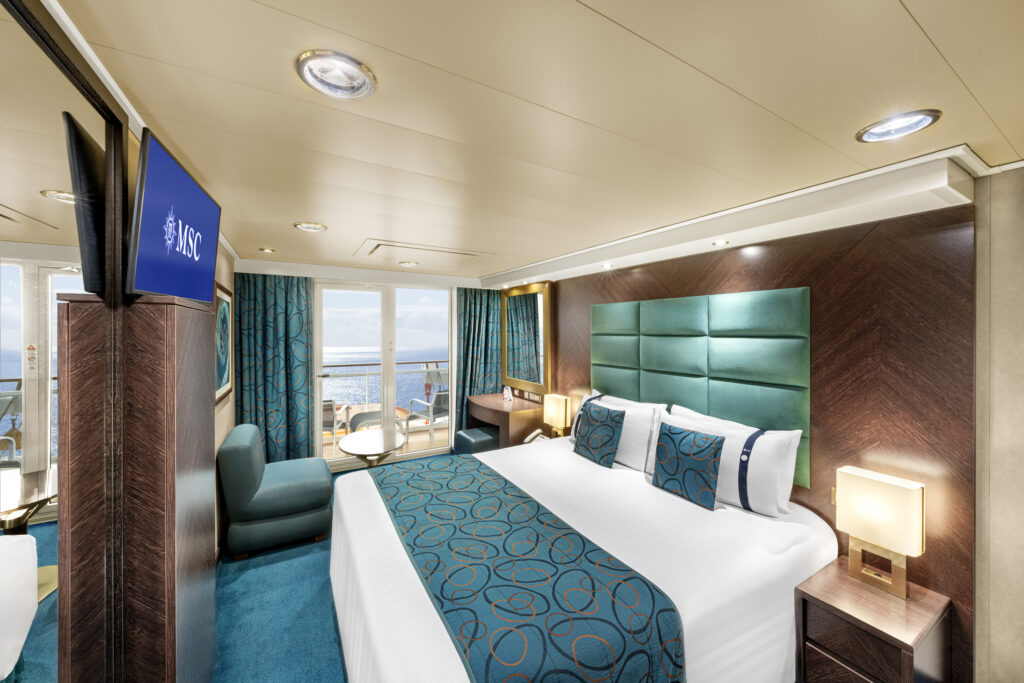
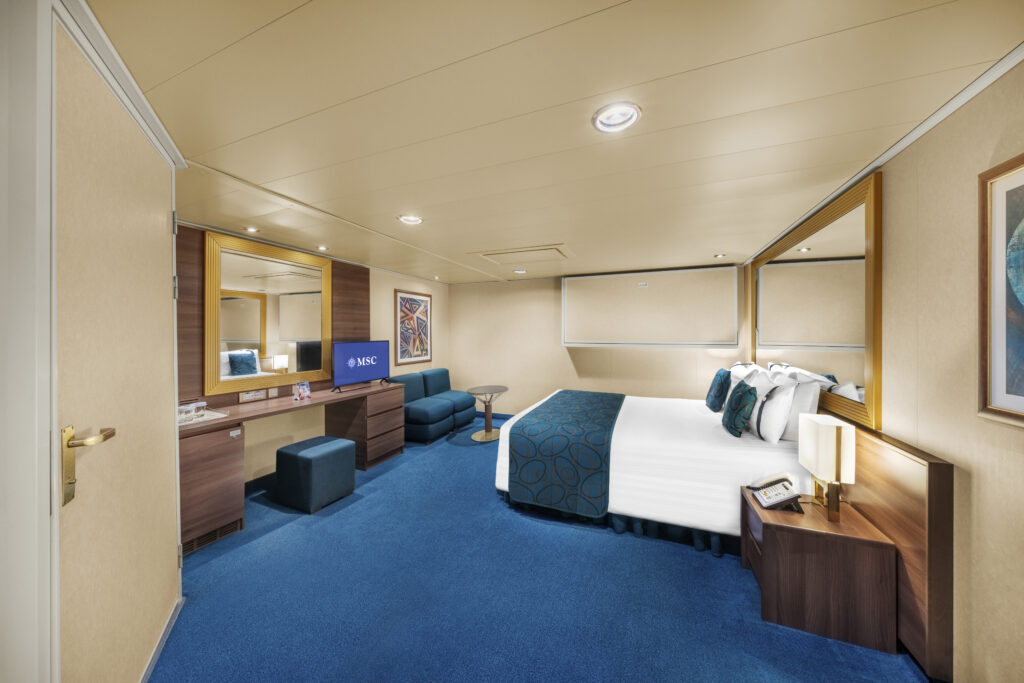
Cabin / stateroom — your room. The terms are used interchangeably depending on the cruise line.

Money and extras
Gratuities — a daily service charge added per person for the crew, usually automatic. It can typically be adjusted or removed at guest services if needed, worth knowing rather than assuming it’s fixed.
Onboard credit (OBC) — money added to your account, sometimes included as a booking perk, that you can spend on the ship for drinks, spa treatments, or extras.
Cabin card / key card — your all-purpose card for your room, onboard payments, and getting on and off the ship. You’ll use it constantly.
Ports and excursions
Port of call — any destination the ship stops at during the cruise, as opposed to the home port where you started.
Tender port — a port where the ship can’t dock directly, so passengers are taken ashore on smaller boats called tenders. Worth knowing in advance since it changes how getting off the ship works.
Shore excursion — an organised activity or tour at a port of call, booked either through the cruise line or independently.
All aboard time — the time you must be back on the ship before it departs a port. Miss it, and the ship leaves without you, so this one matters.

Dining and life on board
Main dining room (MDR) — the primary restaurant included in your fare, usually with assigned or flexible seating.
Specialty dining — restaurants on board that cost extra, separate from the included main dining room.
Formal night / elegant night — an evening with a dressier expectation than the rest of the cruise. Check your cruise line’s specifics before you pack.
Sea day — a day the ship is sailing without stopping at a port. Good for enjoying the ship itself.

Why the vocabulary matters
None of these words are complicated once you know them, but not knowing them going in is exactly what makes first-timers feel behind before they’ve even boarded. Half the anxiety of a first cruise is just not knowing the language everyone else seems to already speak.
That’s the same thinking behind our free First-Time Cruise Blueprint, the 7 things to sort before you book, in plain language, built for first-time African cruisers.
Get the free First-Time Cruise Blueprint
First Cruise Guide
Know the words, know what to expect, and board your first cruise like it’s not your first.
Until the next port,
The Xplora Bliss Team